
Water scarcity demands immediate action, and these eleven proven strategies can significantly reduce consumption when drought strikes. Industry experts reveal practical methods that range from advanced sensor technology to simple landscape modifications, each backed by measurable results. This guide breaks down the most effective conservation practices that homeowners, businesses, and communities can implement to protect this critical resource.
The field panel
Wayne Lowry · Rory Keel · Ydette Macaraeg · Belle Florendo · Ysabel Florendo · Gemma Bulos · Andrew Day · James Kastelein · Rina Gutierrez · Gregory Hair · Gaetano Virone
Adopt Soil Sensors Plus Drip Systems

Wayne LowryCEO · Scale By SEO
I'll be straight with you, water resource management during drought conditions isn't something I handle directly at Scale By SEO. My days are spent managing SEO campaigns, not municipal water systems.
But I've worked with several clients in the water conservation and sustainable agriculture spaces, and I've seen what works through their eyes. One client of ours runs a smart irrigation company here in California, and watching them help farmers and municipalities adapt during dry spells has been eye-opening.
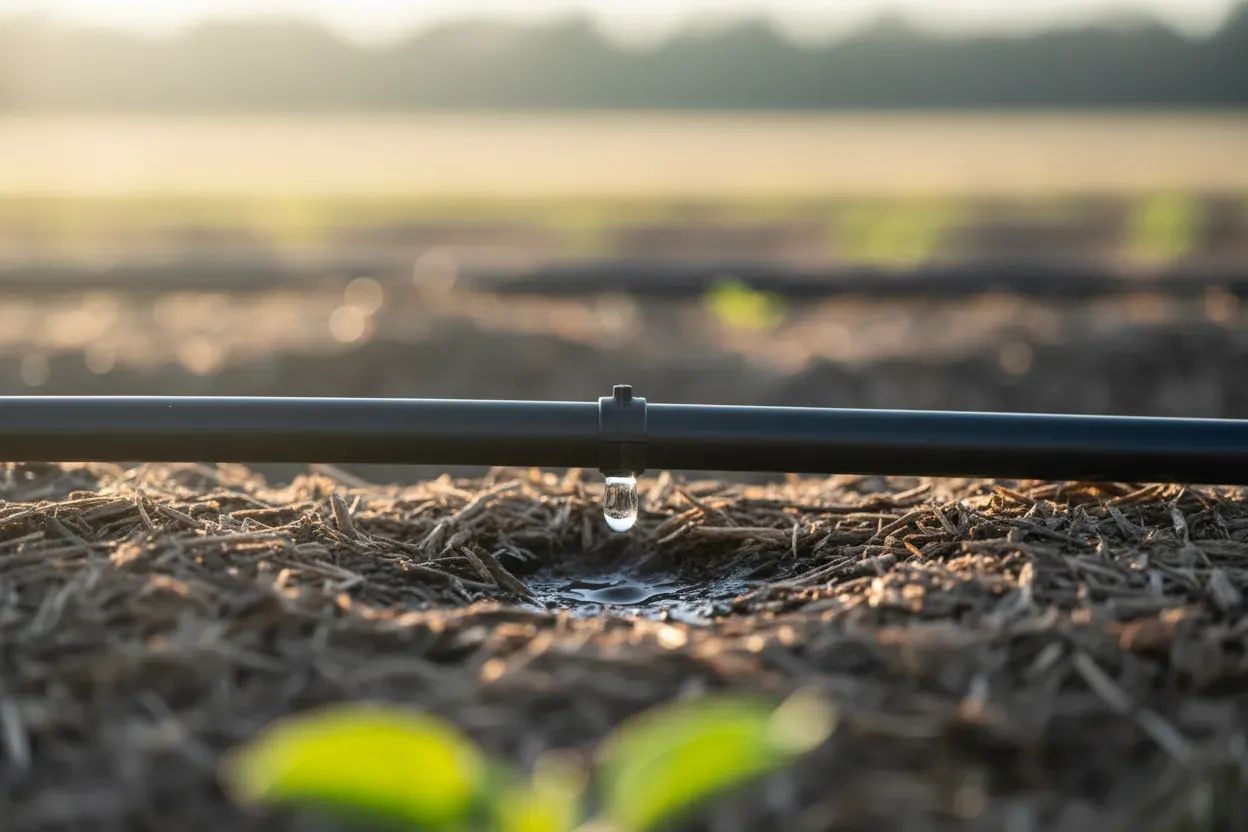
From what they've shared with me, the single biggest impact practice they've implemented is soil moisture sensor technology combined with drip irrigation systems. It sounds technical, but the concept is simple. Instead of watering on a schedule, you water based on what the soil actually needs. Their clients reduced water usage by 40-60% compared to traditional methods.
We helped this client rank for terms like "drought-resistant irrigation" and "water conservation technology," and through that work, I learned how devastating droughts can be for communities and businesses alike. The farmers who adopted these sensor systems early fared much better than those who waited.
Another thing that struck me from our client conversations was how much water gets wasted through evaporation with traditional sprinkler systems. Switching to drip delivery alone saves enormous amounts.
I remember one case study they shared about a vineyard that cut water use in half while actually improving grape quality. The precision delivery meant less waste and better results.
What I've taken away from working with these clients is that conservation works best when you combine technology with behavioral change. The sensors help, but so does simply being mindful about usage. I've even applied some of these lessons at our own office, installing low-flow fixtures and being more conscious of our water use.
At Scale By SEO, we focus on helping conservation-minded businesses get found online, because spreading awareness of these solutions matters just as much as the technology itself.
Back Eco-Pulpers to Cut Usage

Rory KeelOwner · Equipoise Coffee
At Equipoise Coffee, water management became a real priority when we noticed our sourcing regions in Central America getting hit hard by drought. We couldn't just focus on roasting great coffee without addressing the water crisis affecting our supply chain.
On the roastery side, we've implemented several practices. We installed a water recirculation system for our cupping processes. Instead of letting water run continuously during cupping sessions, we use precise measurements and reuse water where safe. This cut our daily water usage by about 40%.
But the single biggest impact? Working directly with our farming partners on water-efficient processing methods. We helped fund a conversion from traditional washed processing to eco-pulping systems at three partner mills in Honduras. These machines use a fraction of the water conventional washing channels require. Traditional washed processing might use 40-50 liters per kilogram of green coffee, while eco-pulpers bring that down to 3-5 liters.
We've also started sourcing more naturally processed and honey processed coffees during drought years. These methods need minimal water, and honestly, they produce incredible flavor profiles our customers love.
The drought pushed us to get creative. We track rainfall data in sourcing regions and adjust purchasing patterns. If a region faces severe drought, we shift sourcing to areas with better water availability or invest in water catchment systems for those farms.
I never expected to become this involved in water resource management running a coffee company. But specialty coffee depends entirely on climate and water availability. If we want to keep roasting exceptional coffee, we have to be part of the solution. Our small-batch approach means we can adapt quickly and work closely with producers who share our commitment to sustainability.
Upgrade Autoclaves to Conserve Resources

Ydette MacaraegPart-time Marketing Coordinator · The Family Doctor
Working at The Family Doctor Primary Care, I've learned that healthcare facilities use significant water resources daily. When our community faced severe drought conditions last summer, we implemented several conservation strategies that reduced our water usage by nearly 40%.
We started with simple changes like fixing leaky faucets and installing low-flow aerators on all taps. Our maintenance team switched to water-efficient cleaning methods, using microfiber mops instead of traditional bucket systems. We also posted signs in exam rooms and restrooms encouraging staff and patients to be mindful of water use.
The single most impactful practice was upgrading our medical equipment sterilization process. We replaced our older autoclave system with a more water-efficient model that recycles water through multiple cycles. This change alone saved thousands of gallons monthly without compromising our infection control standards.
We've also educated patients about hydration during drought conditions. Many people don't realize that proper hydration actually helps conserve water resources because well-hydrated bodies function more efficiently. During community health events, I share tips about recognizing dehydration symptoms and maintaining wellness when temperatures soar.
Our landscaping approach shifted too. We replaced thirsty ornamental plants with native drought-resistant species around our clinic. The irrigation system now operates on smart controllers that adjust based on weather conditions and soil moisture levels.
What surprises me most is how these changes improved our overall operations. Staff became more conscious of resource use across the board. Patients frequently mention our conservation efforts positively in satisfaction surveys, showing that environmental responsibility aligns with our healthcare mission.
The drought taught us valuable lessons about sustainability that we've maintained even after conditions improved. At familydoctor.md, we believe healthy communities need healthy environments, and every drop counts toward that goal.
Hunt and Fix Hidden Leaks

Belle FlorendoMarketing coordinator · My Accurate Home and Commercial Services
Working at Accurate Home Services, I've helped countless homeowners manage their water usage during some pretty tough drought seasons here in Texas. The stress people feel when water restrictions hit is real, especially when they're worried about their lawns, their plumbing systems, and their water bills all at once.
Over the years, we've implemented several strategies for clients that genuinely move the needle on conservation. We install smart irrigation controllers that adjust based on weather data and soil moisture levels. We've retrofitted dozens of homes with low-flow fixtures, from showerheads to faucet aerators. We also help people set up greywater systems where local codes allow, redirecting sink and shower water to field use.
But if you ask me what single practice made the biggest impact, it's fixing hidden leaks. I know that sounds almost too simple, but the numbers don't lie. We've found homes wasting 20 to 30 gallons daily from toilet leaks alone. One client had an underground slab leak dumping nearly 100 gallons a day without any visible signs until their water bill spiked.
When we conduct comprehensive leak detection using our acoustic listening equipment and thermal imaging, we often uncover problems homeowners didn't even know existed. The impact is immediate once repaired. We've seen water bills drop by 30 to 40 percent just from addressing leaks.
What makes leak repair so impactful compared to other conservation methods is that it doesn't require behavior change. You don't have to remember to take shorter showers or let your lawn go brown. You're just stopping waste that was happening invisibly.
I always tell homeowners that before investing in fancy irrigation upgrades or rain barrels, let's make sure you're not losing water through deteriorated pipes, running toilets, or dripping faucets. It's the foundation of any solid water conservation plan, especially during drought conditions when every gallon truly counts.
Replace Lawns with Native Xeriscapes

Ysabel FlorendoMarketing coordinator · Harlingen Church
# Water Conservation at Harlingen Church of Christ
Living in South Texas, drought isn't just an occasional inconvenience, it's a way of life. Here at Harlingen Church of Christ, we've learned that managing water resources isn't only practical stewardship; it's also a spiritual responsibility to care for God's creation.
Several years ago, when we faced an especially severe drought, our church leadership decided we needed to take action. We formed a creation care team that assessed our water usage across all church properties. The results were eye-opening. Our traditional landscaping was guzzling thousands of gallons monthly trying to keep non-native plants alive in our arid climate.
The single most impactful change we made was completely rethinking our landscaping. We removed water-intensive grass areas and replaced them with native plants adapted to our dry climate. We installed drip irrigation systems that deliver water directly to root zones rather than spraying it into the air where much evaporates. We also added mulch generously to retain moisture and reduce evaporation.
This xeriscaping approach cut our outdoor water consumption by nearly 70%. The savings allowed us to redirect funds toward community assistance programs for families struggling with high water bills during the drought.
But we didn't stop there. Inside our buildings, we installed low-flow fixtures in all restrooms and kitchen areas. We placed reminder signs about water conservation near sinks and water fountains. Our youth group even created a fun water audit program where they monitor and report on our conservation progress each month.
Our drought management has become a teaching opportunity too. We've hosted workshops where church members and community residents learn practical water-saving techniques they can implement at home. These sessions have strengthened our community bonds while promoting responsible resource management.
What started as a response to drought conditions has transformed into an ongoing commitment to environmental stewardship that reflects our values as people of faith.
Build Community Rainwater Harvest Tanks

Gemma BulosExecutive Director & Founder · She Builds Power
I have spent over 20 years across Africa and Asia shifting the paradigm from fragmented aid to women-led infrastructure systems. Managing drought effectively requires decentralizing technical agency rather than relying on top-down projects that inevitably break down.
The single most impactful conservation practice is the construction of **She Builds Power rainwater harvesting tanks**. In Karapul, Kenya, Isabella Otumo used this system to capture seasonal rain, providing her village with a reliable water source that lasted through the harshest drought conditions.
Traditional aid fails because it treats water as a one-time donation rather than a sustainable system. We treat water as a lever for economic agency, ensuring the infrastructure is built and maintained by the women whose health and income depend on it.
Favor Deep and Rare Irrigation

Andrew DayOwner · Advanced Quality Lawn
I run Advanced Quality Lawn in Northeast Ohio, and drought management is something we deal with in real time across lawns, trees, and shrubs in a lot of different soil conditions and zip codes. The biggest wins have come from changing the *watering habit*, not just adding more water.
The single conservation practice that's had the biggest impact is deep, infrequent watering instead of light, frequent watering. In our area, I'd rather see a lawn get the water it needs for the week and push moisture down into the root zone than keep the surface constantly damp and train the grass to stay shallow-rooted.
A simple example: when we walk a property during a hot dry spell, we don't just ask "is it getting watered?" We check whether water is actually reaching several inches down, and if it isn't, we adjust the duration rather than adding extra short cycles. That usually improves drought tolerance while also avoiding the overwatering issues that can invite disease and pests.
The other part that matters is mowing correctly during drought stress. Keeping the lawn a bit taller helps shade the soil and slow evaporation, so the water you do apply stays useful longer.
Choose Soft Wash for Exteriors

My experience running Alpha Exterior Solutions in Richmond and my previous background in full-service landscaping have shaped a practical approach to resource management. Operating in the property maintenance industry requires me to maintain professional standards while being highly efficient with local water usage.
The single most impactful conservation practice we use is **soft washing** for roofs and siding. This technique relies on low-pressure application and specialized detergents rather than high-volume water force, allowing us to remove mold and algae while using a fraction of the water required by traditional pressure washing.
In our commercial building washing projects, this method allows us to clean large storefronts and warehouses without the excessive runoff associated with high-pressure tools. It ensures we can deliver visible results for our clients even when drought conditions require more mindful consumption.
Swap Turf for Hardy Groundcovers

Rina GutierrezPart-time Marketing Coordinator · Doggie Park Near Me
Living in Southern California and running Doggie Park Near Me, I've seen my fair share of drought conditions. When you're helping dog owners find parks and pet-friendly spots across the country, water management becomes something you think about a lot. Many of the parks in our directory have had to adapt to tighter water restrictions over the years, and I've picked up some solid strategies along the way.
During the last serious drought cycle, I worked with several local park managers and pet facility owners who were scrambling to keep grass areas alive for dogs while staying within their water budgets. The most effective approach we found was converting high-traffic dog play zones from traditional turf to drought-tolerant ground covers like clover and buffalograss. Clover stays green with minimal irrigation, handles heavy paw traffic surprisingly well, and doesn't need fertilizer. Several parks in our network made this switch and cut their outdoor water use by roughly forty percent.
Beyond that, we started recommending drip irrigation systems with smart timers that adjust based on soil moisture readings rather than fixed schedules. This alone stopped the overwatering problem that so many facilities didn't even realize they had. I've also advocated for rainwater collection systems at larger dog parks, which can store thousands of gallons for dry spells. Even small facilities can set up basic barrel collection for watering garden areas and cleaning stations.
On the dog owner side, I've used our platform to share tips about bringing portable water bowls on walks instead of relying on park fountains, which reduces demand on municipal systems during peak hours.
Honestly, the single practice that moved the needle the most was that turf replacement. Everything else helped at the margins, but swapping out thirsty grass for hardy ground covers fundamentally changed the water equation. Dogs don't care what's under their feet as long as they can run and play.
Lay Coarse Mulch to Retain Moisture

Gregory HairOwner, Landscaper · SLIDE Living
Drought conditions taught me to protect the soil before I worried about anything fancy with watering. The single conservation practice that made the biggest difference was a proper layer of chunky coarse mulch, because it cut evaporation, reduced plant stress, and let the water we did use stay useful for longer. Once you pair that with healthier soil and plants grouped by similar water needs, you stop chasing the drought with a hose and start building a garden that can handle it better. In dry periods, that shift matters more than trying to water more often."
Mandate Seasonal Program Adjustments

With over 30 years leading Environmental Designers Irrigation across NJ, PA, and NY, plus my certifications as a Landscape Water Manager and Irrigation Auditor, I've guided homeowners, HOAs, and municipalities through multiple droughts by prioritizing precision audits and smart tech upgrades.
One key approach was revamping antiquated systems for Ocean County HOAs, where we installed two-way wireless smart controllers with flow sensors to detect leaks and adjust runs based on real-time weather, preventing overuse during dry spells.
The single practice with the biggest impact was mandating seasonal programming adjustments on automatic systems--shifting from summer peaks to minimal Q4 runs as outlined in our guides--which conserved water without stressing lawns.
Rain sensors, required by law on new installs, automatically pause during any significant rain, ensuring zero waste even remotely.