
§ How this was made
Some answers in this article were written by Connectively's automated system with AI because too few contributors answered; each is labeled "Written with AI". The other answers were written by the named contributors and submitted through Connectively. The system selected them and used AI to write the headline, introduction, section headings and illustration, and to make minor edits for clarity. Articles are assembled and published automatically. Report errors to corrections@connectively.us. How we make our content
Illustration generated with AI
Planting too early can damage soil structure and hurt crop performance. Field crop growers must watch soil conditions before making timing decisions. Insights from experts in the field explain how protecting soil structure leads to better planting calls.
The field panel
Gregory Hair
Protect Soil Structure First
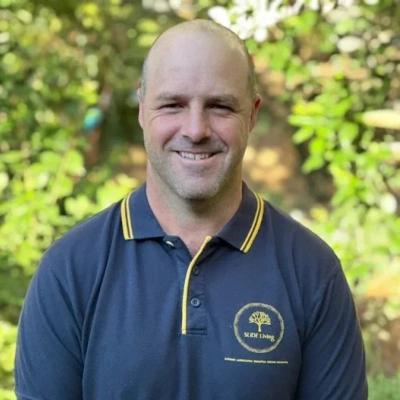
Gregory HairOwner, Landscaper · SLIDE Living
Before moving equipment onto a planting site, I would squeeze soil from the depth I plan to work. If it smears, I wait; if it crumbles, I can use the window without chasing a perfect forecast. I would check several spots, since a dry surface can hide wet soil below. My rule is to protect the soil's structure, then take the first workable window.
Check Soil Temperature Trends
§ Written with AINo contributor wrote this answer
Field crop growers can use soil temperature as a clear guide for planting decisions. Each crop has a temperature range where seeds can germinate well. Cold soil may slow emergence and leave seeds open to rot or disease.
Growers should check soil temperature at planting depth for several days, not just once. Readings from different parts of a field can reveal important changes in soil warmth. Check your soil temperatures before choosing a planting day.
Prepare Equipment and Labor
§ Written with AINo contributor wrote this answer
Planting timing also depends on whether people and machines are ready to work efficiently. A narrow weather window may be wasted if planters need repairs or seed is not available. Crews need clear plans for field order, fuel, maintenance, and safe work hours.
Well-prepared equipment can help a grower plant quickly when soil and weather conditions improve. This planning reduces rushed decisions that can lead to uneven seed placement. Prepare equipment and labor plans before the planting window opens.
Test Field Trafficability
§ Written with AINo contributor wrote this answer
A field may look ready on the calendar while still being too wet for equipment. Driving on soft soil can create compaction, which limits root growth and reduces water movement. Growers can test trafficability by checking whether soil crumbles instead of smears or forms deep ruts.
Conditions may vary across the same farm because low areas often dry more slowly. Waiting for suitable ground conditions can protect soil structure and support stronger crop growth later. Test field trafficability before moving planting equipment in.
Track Growing Degree Days
§ Written with AINo contributor wrote this answer
Growing degree days measure how much heat a crop receives over time. This information helps growers estimate when planted seeds may emerge. It can also show whether early planting is likely to lead to slow growth during cool weather.
Local records make these estimates more useful because weather patterns differ by area. Growers can compare current heat totals with past seasons to plan scouting and field work. Start tracking growing degree days for every planted field.
Review Local Weather Forecasts
§ Written with AINo contributor wrote this answer
Short-term weather forecasts help growers avoid risky planting windows. Heavy rain soon after planting can cause crusting, flooding, or seed loss. A late frost can also harm young plants that emerge too early.
Forecasts for the next seven to ten days often give more useful timing details than a seasonal outlook. Soil moisture, wind, and expected drying conditions also affect whether a field will be ready. Review the local forecast each day before planting begins.