
Water management during drought conditions can make or break a harvest, yet many growers struggle to determine the optimal timing for irrigation. This article examines practical strategies for irrigation scheduling in water-scarce seasons, drawing on insights from agricultural water management experts. Learn why monitoring soil moisture at the root zone proves more reliable than depending solely on weather predictions when making critical irrigation decisions.
The field panel
Gregory Hair
Trust Root Profile Over Forecast

Gregory HairOwner, Landscaper · SLIDE Living
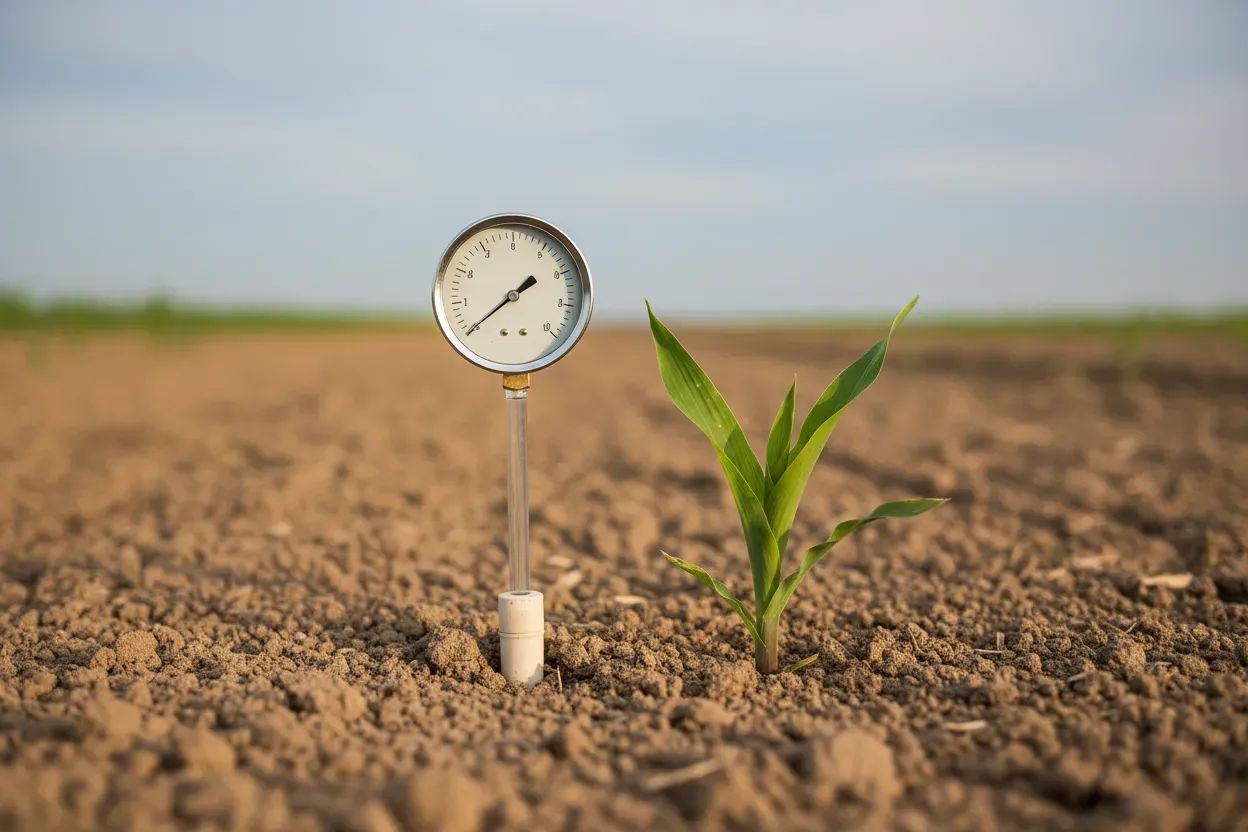
The cue I trust most is root-zone moisture, not the forecast headline. When weather turns quickly, I set start and stop points off how fast that active profile is dropping and I would rather water a touch early than let it slide into stress during a critical growth window. If there is still enough moisture sitting in the profile and a proper rain is close, that is when you hold back instead of chasing every hot day.
Prioritize Yield Critical Growth Stages
Focus scarce water on the crop stages that drive yield the most. Flowering and early grain fill are often the most sensitive, while early vegetative growth can handle mild stress with less loss. Build a simple stage calendar using planting date and growing degree days so irrigation can be timed to those key windows.
Hold back some water in the budget for these peak demand weeks, and trim applications in less sensitive periods. Walk fields to confirm stage progress so the schedule matches real growth, not just a plan. Map stages now and set a water plan that protects the most critical weeks.
Schedule Sets From ET Deficit
Use evapotranspiration forecasts to time water before the soil runs short. Convert local weather forecasts into reference ET and then adjust with the right crop coefficient to estimate daily water use. Track the running ET minus rainfall to know the soil water deficit and set the next irrigation date.
Match each set to replace only the expected loss until the next window, not to fill the profile all at once. Update the plan after each storm or heat wave so intervals stay aligned with real demand. Start using ET forecasts this week to set smarter irrigation intervals.
Trigger Thresholds With Canopy Heat
Plants under water stress run hotter than the air around them, and canopy temperature shows this early. Set a clear canopy temperature or crop water stress index threshold that will start irrigation before damage occurs. Use handheld infrared tools or fixed sensors to scan fields at the same time each day for consistent readings.
Pair readings with air temperature and humidity so false alarms are avoided on days with very dry air. Calibrate thresholds by growth stage, since a mild rise can be fine in early vegetative growth but risky during bloom. Put thresholds in writing and trigger irrigation when limits are reached.
Move Run Time To Night
Irrigating at night cuts water loss because air is cooler, wind is calmer, and the sun is not pulling moisture away. Lower evaporation means more water reaches roots and less pumping is needed over time. Night sets can also ease strain on power systems and may take advantage of off‑peak rates.
Plan for safe access, clear lighting, and reliable valves or timers so crews are not put at risk. Check dew point and expected nighttime wind to pick the best hours for each field. Shift more irrigation to night and watch losses drop.
Use Short Cycles To Prevent Runoff
Pulse irrigation uses short on and off cycles so water has time to soak in without causing runoff. This approach helps tight or crusted soils take in more water and reduces deep losses past the roots. Smaller pulses also spread moisture more evenly through the root zone and help keep oxygen in the soil.
It can improve fertilizer uptake and reduce salt stress because water moves in steps rather than floods. Set cycle times based on soil intake rate and adjust after checking how deep the wetting front moved. Try pulse sets on a test field and tune the cycles for your soil.