
Heat and drought conditions force farmers to make critical irrigation choices that directly impact crop yields and water efficiency. This article draws on expert knowledge to explain how depletion thresholds in the soil profile can guide better irrigation timing for row crops. Understanding these thresholds helps producers maximize water use while protecting their crops during challenging weather conditions.
The field panel
Gregory Hair
Use Depletion Thresholds in the Profile

Gregory HairOwner, Landscaper · SLIDE Living
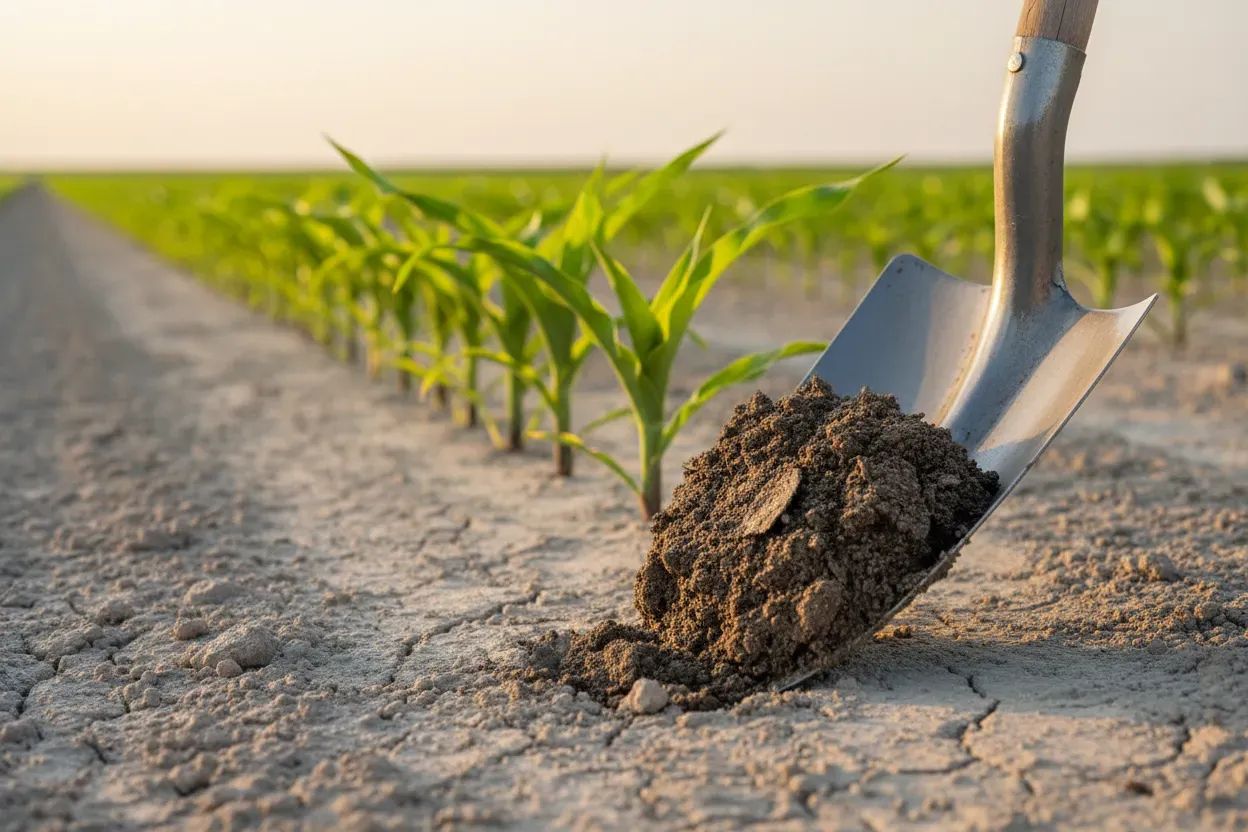
The field cue I trust is moisture in the active root zone, not a dry surface or a plant that has already started wilting. In hot weather, I would start before that deeper soil reaches the agreed depletion point, then stop once the root zone has been replenished rather than continuing until water sits on top or drains below the roots. When water or time is limited, the priority should be the crop's most sensitive growth stage and the areas that dry fastest. My lesson from irrigation work is that watering by appearance alone usually means reacting too late or applying more than the soil can hold.
Shift Runs to Pre-Dawn Hours
Running water before sunrise cuts losses to wind and hot air, so more water reaches roots. Cooler hours reduce soil surface evaporation and lessen leaf burn risk. Lower demand on the line can also steady pressure and improve how even the set runs.
Aim for the set to finish near dawn so the top few inches can seal and slow midday loss. Check infiltration rate to avoid runoff if the soil takes water slowly at night. Move your irrigation window to pre-dawn starting with the next cycle.
Base Irrigation on ET and Forecasts
Use crop evapotranspiration to set when and how much to irrigate. Pair local reference ET with crop factors that match the growth stage, and adjust for canopy cover and soil type. Pull short-term forecasts so sets are timed before heat spikes and skipped before rain.
Add soil moisture readings or canopy temperature as a check, and refine targets after each event. Keep schedules within system flow limits so the plan can be met during a heat wave. Build an ET-based calendar this week and update it every two days.
Balance Output via a Catch Test
Uneven application wastes water and creates hot spots that fail first in heat. Run a simple catch test to see how even the set is, and note how the driest spots compare to the average. Set pressure to the design, replace worn nozzles, and clear clogged emitters so each row gets its share.
Check pump output and filters so the system holds target pressure all day. After repairs, repeat the test and adjust runtime to match the new average rate. Schedule a uniformity check before the next irrigation.
Direct Scarce Water to Highest Return
With limited water, the next inch should go where it makes the most yield or profit. Rank fields by expected extra yield per extra inch based on crop type, growth stage, and stand quality. Consider price outlook and money already spent, and steer water to fields near key stages like flowering while easing back on poor stands.
Account for soil depth and stored moisture so shallow soils do not run short first. Revisit the ranking weekly as weather and crop stages shift. Make a quick worksheet and move water to the top ranked fields today.
Alternate Furrows to Temper Canopy Demand
Feeding one furrow at a time can keep roots active while using less water through partial root-zone drying. Plants sense the drier side and slow leaf demand, which reduces loss without cutting yield much if timing is right. This method also limits deep loss below the root zone on light soils.
Watch for salt build up and plan a full flush later if needed to protect the root zone. Choose fields with good grade and even beds to avoid drift of water to one side. Try alternate-furrow on a small block this set and track yield and water use.